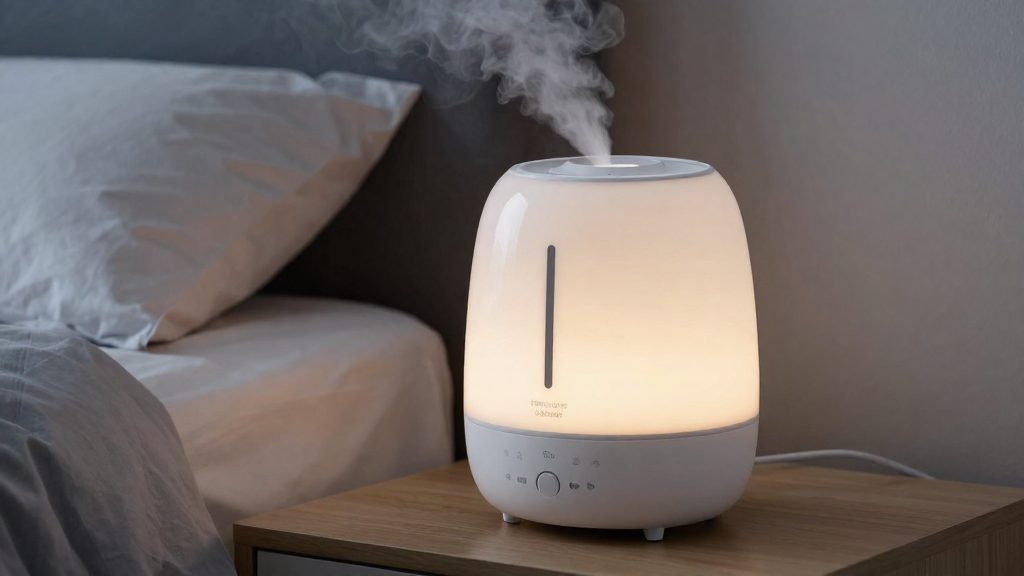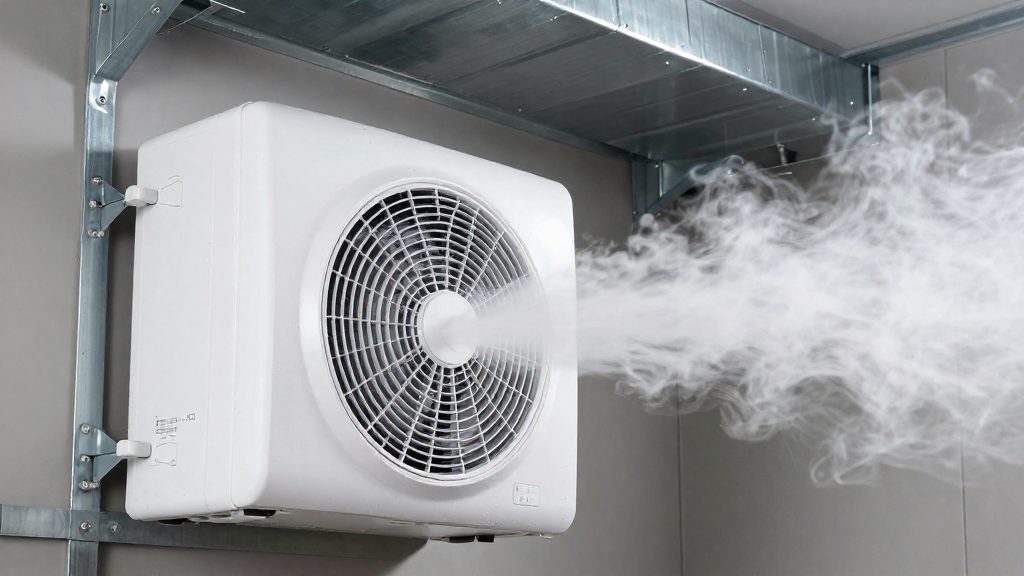
A portable humidifier is a plug-in unit that treats one room or a limited space, typically about 400 to 1,000 sq ft. A whole-house humidifier connects to the HVAC system and, according to Trane (2026), serves up to 4,000 to 5,000 sq ft depending on model. Trane also expects well-maintained portables to last 2-5 years and whole-house units 8-15 years. Coverage, service life and installation method are the three factors that separate the two designs.
Whole-house vs portable humidifier: quick comparison
| Criterion | Portable humidifier | Whole-house humidifier |
|---|---|---|
| Typical coverage | About 400-1,000 sq ft | Up to 4,000-5,000 sq ft, depending on model |
| Expected service life | 2-5 years when well maintained | 8-15 years (Trane, 2026) |
| Installation | Plug-in unit | Integrated with the HVAC system and plumbed to the water supply |
| Area treated | One limited space | Whole home, through the furnace airflow |
Coverage
Portable units are rated for single rooms or small areas. According to AprilAire (2026), a portable humidifier controls humidity in only one limited space. Whole-house units are rated for much larger floor areas.
The coverage figures are model-dependent, so the rated area of a specific unit should be compared with the floor area to be treated.
Service life
The gap in lifespan is wide. A household that relies on portables will therefore replace them far more often over the same period. The lifespan figures assume good maintenance, which Trane (2026) identifies as a condition for the expected range.
Installation method
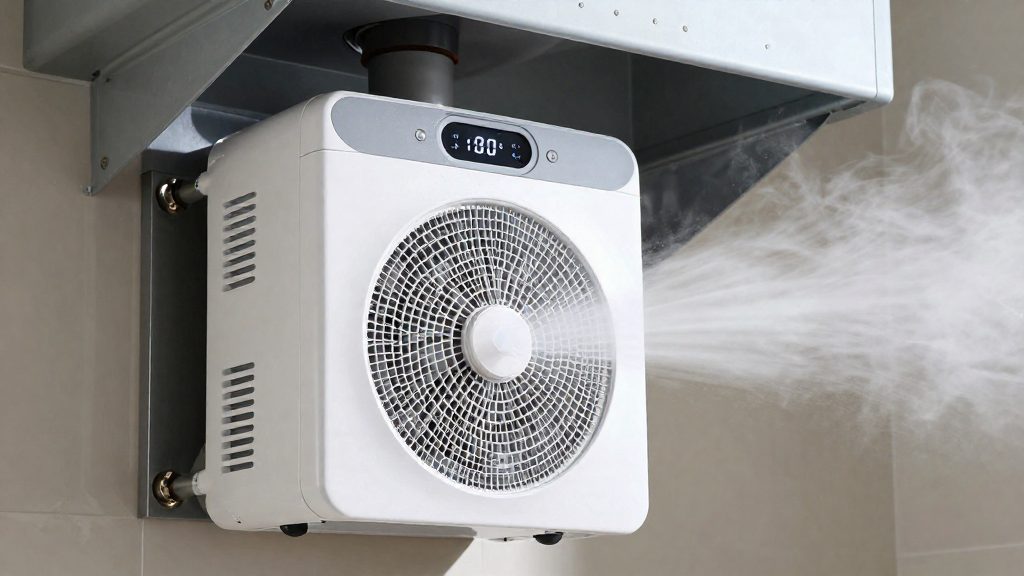
A plug-in unit needs only a power outlet and can be moved between rooms. A whole-house humidifier is integrated with the HVAC system. According to AprilAire (2026), it works through the furnace airflow and is plumbed to the water supply, so a water tank does not limit its operation. Because of this integration, the unit is fixed to the home’s heating system rather than to a single room.
What humidity level should you aim for?
Indoor humidity is managed as a target range, not a single number. According to U.S. EPA (2026), indoor humidity should stay between 30 and 50 percent, and a moisture or humidity gauge is the recommended way to check it. For a whole-house humidifier, the working target is a setpoint that changes with outdoor conditions: as it gets colder outside, the indoor setpoint must come down. Trane (2026) gives two reference points for whole-house systems: about 35% indoor humidity at 20°F outdoors, and about 25% at 0°F.
Why the EPA range has an upper limit that matters most
According to U.S. EPA (2026), high humidity makes mold more likely, and moisture control is the key to mold control. The 50 percent upper bound is the limit to keep in mind, since high humidity makes mold more likely. The range is a general indoor guideline, though. It does not state how high a humidifier can run during a cold snap, which is why the outdoor-linked setpoints are needed.
How cold outdoor conditions lower the safe setpoint
| Condition | Indoor humidity figure | Source |
|---|---|---|
| General indoor guideline | 30 to 50 percent | U.S. EPA (2026) |
| Outdoor temperature 20°F | About 35% | Trane (2026) |
| Outdoor temperature 0°F | About 25% | Trane (2026) |
Trane gives only these two reference points; the setpoint falls as outdoor temperature falls. Trane (2026) advises lowering the setpoint as outdoor temperatures drop to avoid condensation.
Applying the setpoint in practice
- Check the current outdoor temperature.
- Find the matching reference point in the table above.
- Set the whole-house humidifier to that figure.
- Recheck the setpoint when the weather changes significantly.
The setpoint applies to the whole house only when a whole-house unit is installed.
How much do they really cost?
Upfront spending depends mainly on the design. Trane (2026) gives price ranges for each category, and these include installation where it applies. Portable units are the cheapest entry point, while whole-house units cost more because they connect to the home’s air or water systems.
| Humidifier type | Installed price range (Trane, 2026) |
|---|---|
| Portable | $60–$350 |
| Bypass and fan-powered whole-house | $200–$900 |
| Steam whole-house | $500–$1,800 |
The ranges overlap: a top-end portable at $350 costs more than the cheapest bypass or fan-powered whole-house unit at $200, so price alone rarely decides the choice. Steam units sit at the top of the scale, with the highest minimum and maximum of the three categories.
Coverage affects the real cost per home. A larger home that relies on portables may need several units, so the total spend can approach or exceed a single whole-house installation. Compare the total outlay for the square footage you need, not the price of one unit.
Which one is easier to maintain?
Maintenance effort depends mainly on how often a person has to service the unit. A portable humidifier requires the most routine attention. Trane (2026) states that it needs refilling anywhere from several times a day to every 3 days, and cleaning every 3 days. AprilAire (2026) reaches the same conclusion from a different angle, noting that portables need daily refilling and that their tanks can harbor mold and bacteria. The actual refill frequency depends on tank size and how much moisture the room demands, so a unit running overnight in a bedroom will generally need the most hands-on care.
A whole-house humidifier shifts that work to scheduled, infrequent visits. Bypass models need an annual pad replacement and an annual professional inspection, according to Trane (2026). AprilAire (2026) describes whole-home units as typically needing service once or twice per heating season, usually a water panel change. Because these units connect to the water supply rather than a tank, the daily refill task is eliminated, though scheduled service is still needed.
Steam humidifiers follow a usage-based schedule. Trane (2026) specifies professional service every 500 operating hours of runtime, not on a calendar basis. The practical result is that a steam unit running continuously through a cold season reaches its service point much sooner than one used only occasionally, so households should estimate runtime rather than rely on the date of the last visit.
| Unit type | Maintenance task | Interval (source) |
|---|---|---|
| Portable | Refill tank | Several times a day to every 3 days (Trane, 2026) |
| Portable | Clean unit | Every 3 days (Trane, 2026) |
| Bypass whole-house | Replace pad | Annually (Trane, 2026) |
| Bypass whole-house | Professional inspection | Annually (Trane, 2026) |
| Whole-home | Service, usually water panel change | Once or twice per heating season (AprilAire, 2026) |
| Steam | Professional service | Every 500 operating hours (Trane, 2026) |
Can a humidifier cause condensation or mold?
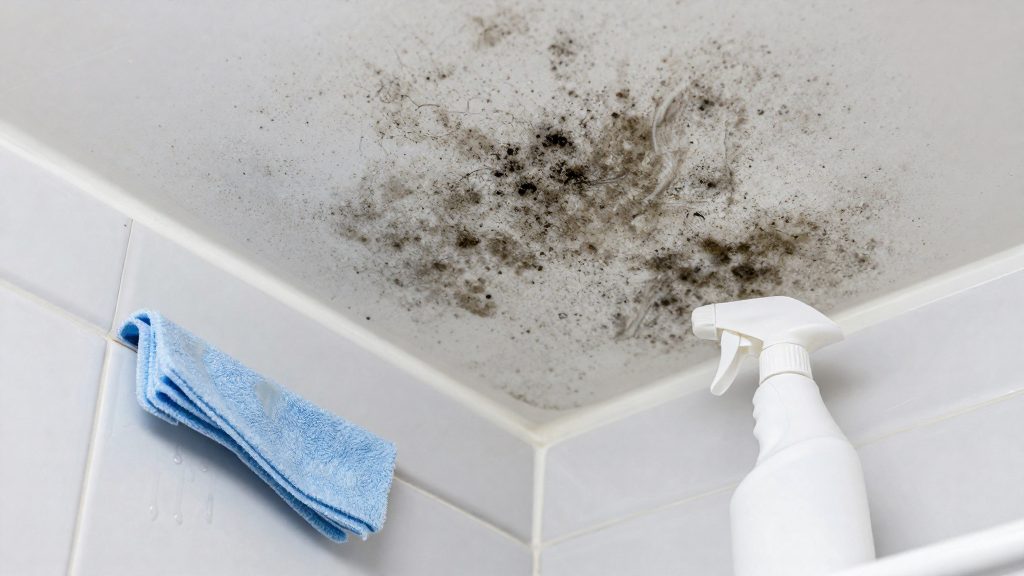
Yes. A humidifier can cause both surface condensation and mold when it adds more moisture than the building can release. Condensation forms when warm, humid air meets a surface colder than its dew point. Mold needs sustained moisture to grow. According to the U.S. EPA (2026), high humidity makes mold more likely, and moisture control is the key to mold control. The moisture level a device sustains over time matters more than the device type itself.
Surface condensation on cold windows and exterior walls
Windows and exterior walls are usually the coldest interior surfaces, so condensation tends to appear there first. Droplets or frost on glass, and dark damp patches in wall corners, indicate that the surface has dropped below the dew point of the air touching it. The problem is local. Room air can feel acceptable while a single pane or a corner of an exterior wall stays wet.
The distribution method changes the exposure. A whole-house unit raises humidity across the whole house, so a setpoint that is too high can expose cold surfaces in every room.
Mold risk from sustained high humidity
Mold does not require a flood. Elevated humidity held over days or weeks is enough for growth to start. The risk therefore depends on duration as well as level. Growth often begins unnoticed on cold surfaces and in hidden areas such as behind furniture or inside wall cavities, where moisture is slow to evaporate.
The drying window for water-damaged materials
When water reaches building materials, timing decides whether damage stays limited. The U.S. EPA (2026) advises drying water-damaged items within 24-48 hours. Remove standing water first, then increase airflow across the affected area. Do not run a humidifier in the room while materials are drying, since it adds moisture back to the air that the materials need to release.
When is a portable humidifier enough?
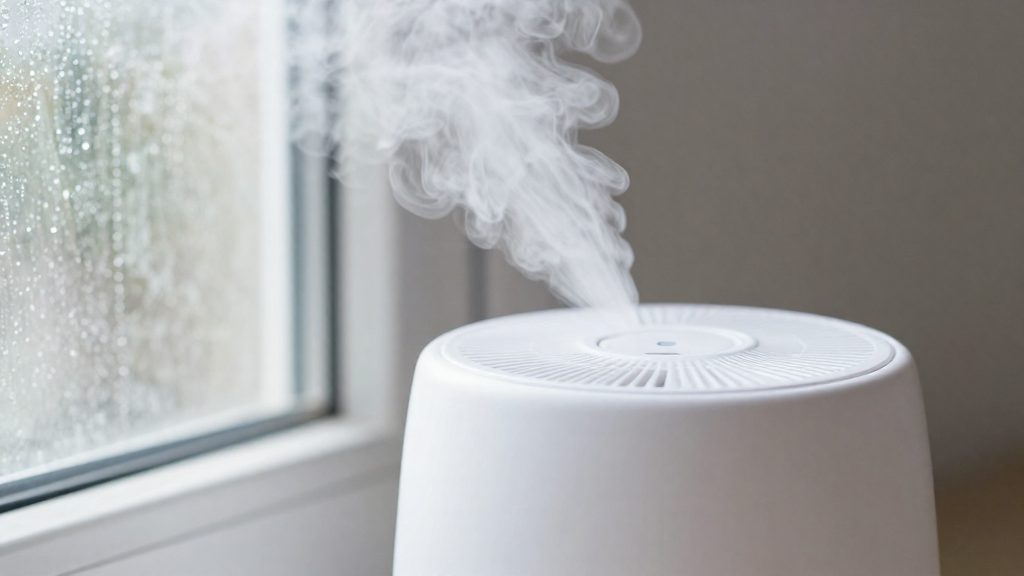
A portable humidifier is generally enough when the problem is confined to one room. According to Trane (2026), a portable unit may be enough for a bedroom or for temporary use, such as during an illness. The deciding factor is the scope of the need: a single-room scope points to a portable unit, while persistent dryness across the entire dwelling points to a whole-house system.
Bedroom humidity for sleep comfort
The bedroom is the most common single-room case, and Trane (2026) names it as a situation where a portable unit may be enough. AprilAire (2026) states that a portable humidifier controls humidity in only one limited space, so a unit placed in the bedroom leaves the rest of the house unchanged. Households with dryness in several rooms should consider a whole-house system instead.
Temporary relief during illness or short-term dryness
Trane (2026) describes temporary use as a case where a portable unit may be enough, and gives illness as an example. Because the need is temporary, a plug-in unit can be moved to the room where it is needed without a permanent installation.
Homes without ducted HVAC
A whole-home humidifier works through the furnace airflow (AprilAire, 2026), so its design depends on the existing heating system. In a home without ducted HVAC, that airflow path may not be available, and a portable unit is the option to check first. Confirm the heating system with a qualified installer before ruling out a whole-house unit.
| Situation | Portable enough? | Source |
|---|---|---|
| Single bedroom, sleep comfort | Yes, for one room | Trane (2026) |
| Illness or temporary dryness | Yes, as a temporary measure | Trane (2026) |
| Dry climate or cold winter, whole home | No, a whole-house unit is best | Trane (2026) |
| Home without ducted HVAC | Depends on the furnace airflow path; check the heating system | AprilAire (2026) |
When does a whole-house humidifier make sense?
A whole-house humidifier makes the most sense when low indoor humidity affects the entire home rather than one room. According to Trane (2026), a whole-house unit is best for dry climates or cold winters.
Dry climates with persistently low humidity
Where outdoor air holds little moisture, indoor air can stay dry for most of the year. A portable unit then has to run continuously in one space to make a difference. A whole-house unit adds moisture through the central system, so the target applies across the home.
Cold winters when heating dries the air
Heating outdoor air raises its temperature and lowers its relative humidity, so indoor air typically becomes driest during the heating season. Trane identifies this as a primary case for a whole-house unit.
At 0°F, Trane’s suggested 25% falls below the EPA’s 30 to 50 percent range. Trane lowers the setpoint in cold weather to avoid condensation, so the figure is a cold-weather exception to the general guideline.
Multi-room homes that need one central source
A whole-house unit serves as a single central source for a home with several occupied rooms, rather than a set of separate portable units that each need refilling.
Do you need a hygrometer?
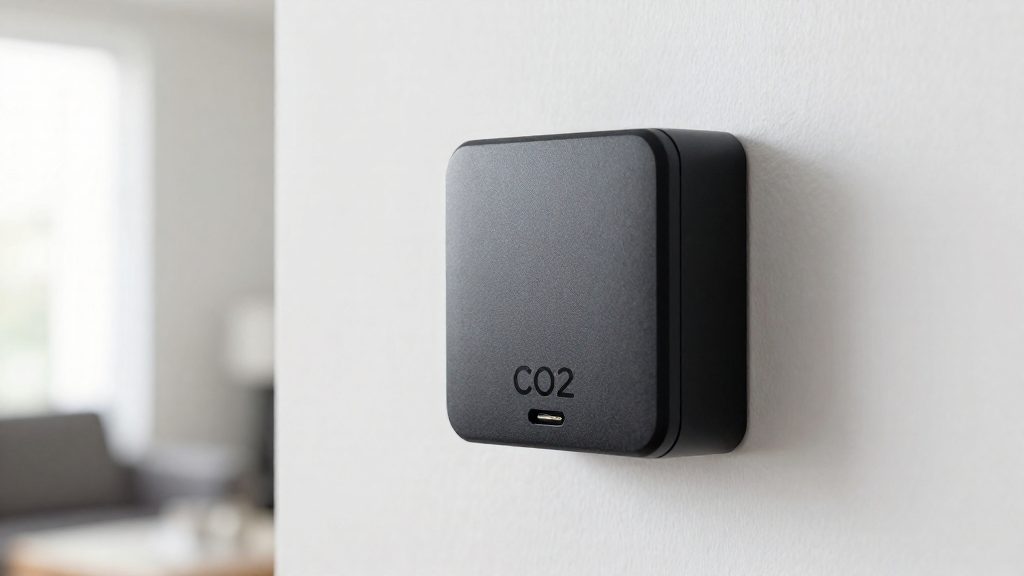
Yes, if you want to confirm that a humidifier is working. According to the U.S. EPA (2026), the way to check indoor humidity is to use a moisture or humidity gauge, commonly called a hygrometer. Without a reading, you only know that the humidifier is switched on, not how much moisture it adds to the room. This applies to a portable humidifier and to a whole-house humidifier alike.
Placing the gauge
A reading is only useful if it reflects the room air. Position the hygrometer away from the humidifier mist and away from ventilation outlets. Mist plumes and supply or exhaust air can create a local moisture spike that does not represent the average conditions in the room.
Checking the reading
Take readings only after the value stops changing. Use the following checks to confirm both the gauge and the humidifier:
| Check | Method | What it confirms |
|---|---|---|
| Placement | Keep the gauge clear of mist and vents | The reading reflects room air |
| Reference comparison | Read the gauge beside a second, trusted instrument | The gauge agrees with a known reference |
| Trend | Log readings before and after the humidifier starts | The humidifier is adding moisture |
| Water supply | Refill a portable unit as directed; inspect a whole-house water panel | The humidifier has water to deliver |
Confirming the humidifier is working
Record a baseline reading with the humidifier off, then run it and compare the trend. If the value does not rise, check the water supply first.
Frequently asked questions
Which type suits a single bedroom?
A plug-in portable unit is usually the practical choice, since Trane (2026) states that a portable may be enough for a bedroom or temporary use, such as during an illness. Its typical coverage of about 400 to 1,000 sq ft fits one room, and it needs only a power outlet to move between rooms.
How much do the two types cost?
Trane (2026) gives price ranges that include installation where it applies: $60 to $350 for portables, $200 to $900 for fan-powered and bypass whole-house units, and $500 to $1,800 for steam units. The ranges overlap, so a high-end portable can cost more than an entry-level whole-house unit, which makes rated coverage a better basis for comparison than price alone.
What humidity setpoint should a whole-house unit use in cold weather?
Lower the setpoint as outdoor temperatures fall, because Trane (2026) links lower settings to avoiding condensation on cold surfaces. Its two reference points are about 35% indoor humidity at 20°F outdoors and about 25% at 0°F. For temperatures in between, check the manufacturer’s chart or ask an installer.